Valve positioner versus position transmitter: belangrijkste verschillen verklaard
In de industriële automatisering verwarren ingenieurs vaak valvenpositionairs en positietransmitters, wat leidt tot suboptimale opstellingen in besturingslussen.hun rollen verschillen fundamenteelDe andere observeert: "Na 20 jaar veldprobleemoplossing in petrochemische fabrieken, zal ik deverschil tussen de kleppositionair en de positiesenderDeze gids heeft tot doel te verduidelijken waarom het mengen van deze elementen de energiekosten kan doen stijgen of valse alarmen kan veroorzaken.met behulp van voorbeelden en diagrammen uit de echte wereld.
De essentie: wat ze zijn en hoe ze werken
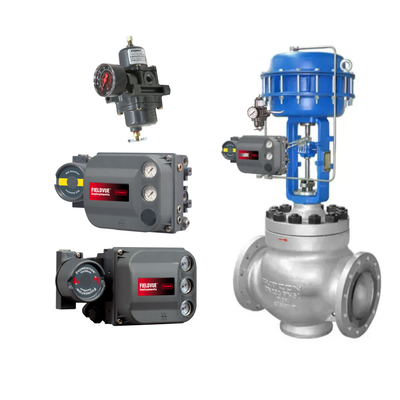
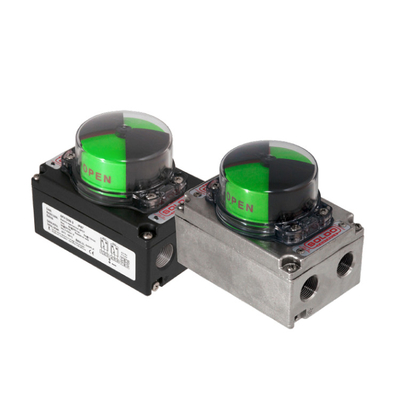
Eenklep positioneris een actieve regelaar die een besturingssignaal ontvangt (bijv. 4-20 mA) en de luchtdruk van de aandrijving aanpast aan de precieze positie van de kleppenstomp, waardoor hysteresis, wrijving worden gecompenseerd,of drukverlagingenHet is...werkingsbeginsel van de kleppositionatorHet systeem draait om een gesloten lus: de feedback van de stam (via koppeling of sensor) wordt vergeleken met het instelpunt en de positioner moduleert de uitgang totdat deze overeenkomt.met een diameter van niet meer dan 30 mmDigitale versies zoals de Fisher DVC6200 voegen PID-algoritmen toe voor snellere respons (<0.3 sec) en diagnoses.
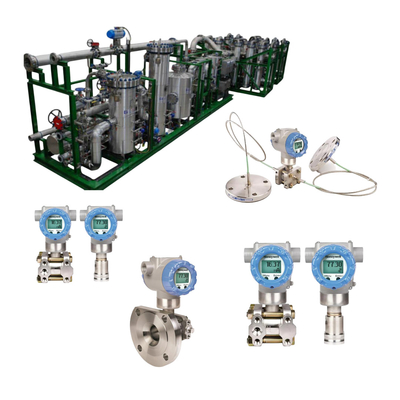
In tegenstelling hiertoe is eenpositiesenderis een passieve sensor die de stand van de stam meet en omzet in een uitgangssignaal (bijv. 4-20 mA of digitaal) voor monitoring of feedback aan een PLC/DCS.het beginsel van de positiesenderHet is eenvoudig: een potentiometer, LVDT of Hall-effectsensor detecteert lineaire/roterende bewegingen en schaalt deze naar het signaalbereik.Zoals een snelheidsmeter die snelheid toont zonder de motor te besturen..
In mijn raffinaderijprojecten lossen positioners dynamische problemen op (bijvoorbeeld actuator stick-slip), terwijl zenders gegevens leveren voor trendanalyse.
Belangrijkste verschillen: Een persoonlijke vergelijking
Hier worden veel specificaties verstoord: positioners zijn 'doers', zenders'reporters'.
| Gezien |
Valve positioner |
Positietransmitter |
| Functie |
Besturingsaandrijving om de gewenste positie te bereiken |
Meet en zendt de huidige positie |
| Looprol |
Controleur voor terugkoppeling in gesloten lus |
Openlussensor voor monitoring |
| Invoer/Uitvoer |
Invoer: besturingssignaal; uitgang: aandrijfsdruk |
Input: Stembeweging; Output: Signal (4-20 mA) |
| Beginsel |
Kracht/bewegingsbalans met aanpassing |
Lineaire omzetting (bv. weerstand tegen stroom) |
| Precisiteit |
±0,1-0,5% met afstemming |
± 0,25-1% afhankelijk van de sensor |
| Energiebehoefte |
met een vermogen van niet meer dan 50 W |
Meestal met een lus |
| Veel voorkomende soorten |
Pneumatische, elektro-pneumatische, digitale |
Analoog (potentiometer), digitaal (Hall) |
Positioners verwerken niet-lineariteiten zoals deadband (tot 5% vermindering), terwijl zenders schijnen in de diagnose zonder controle interventie.vervanging van een zender door een positioner, vastgestelde overschrijdingsproblemen.
Toepassingsscenario's: Wanneer elk te gebruiken
- Valve positioner: Essentieel in actieve besturingslussen waar nauwkeurigheid van belang is. Gebruik in throttlingtoepassingen zoals stroomregulering in chemische reactoren of drukregeling in oliepijplijnen.Ideaal voor grote actuatoren of hoog wrijvingskleppen, waardoor energieverspilling met 10-20% wordt verminderd door nauwe plaatsing.
- Positietransmitter: Geschikt voor monitoring en verificatie. In veiligheidssystemen worden de status van de kleppen bevestigd (bijv. open/gesloten in ESD-lussen) of worden ze geïntegreerd met SCADA voor afstandscontrole in waterzuiveringsinstallaties.Niet voor directe besturing. Het is net een dashboardmeter.Niet het stuur.
In de elektriciteitsopwekking worden door positioneringsapparaten de voedingswatermodulatie van de ketel beheerd; door zenders worden de isolatie-kleptoestanden gecontroleerd voor nalevingscontroles.
Waarom een 4-20mA positie zender op een Control Valve
Veel voorkomende misvattingen van klanten en hoe ze te vermijden
Misvatting 1: "Ze zijn uitwisselbaar". Realiteit: Het installeren van een zender in plaats van een positioner leidt tot slechte regelgeving, bijvoorbeeld:Een klant in de farmaceutische industrie zag 15% proces variatie tot we een positioner aangepast.
Misvatting 2: "De zenders zorgen voor controle". Nee, ze rapporteren alleen. In scenario's met een hoge ΔP, zonder aanpassing van een positioner, drijven actuatoren af, waardoor lekken of inefficiëntie ontstaan.
Misvatting 3: "Digitale versies zijn altijd beter".
Tip: Controleer altijd de loopvereisten, controle heeft positioners nodig, zuivere feedback geeft de voorkeur aan zenders.
Xiangjing: uw leverancier voor kleppositionatoren en zenders
Als een van China's grootste leveranciers van klep positioner, Xiangjing biedt een rijke selectie van merken en modellen met voldoende voorraad voor snelle levering.betrouwbare doorlooptijden, en deskundige technische ondersteuning om uw controleproblemen op te lossen.www.shgongboshi.comvoor offertes opmet een vermogen van niet meer dan 50 Wen zenders.
Sleutelwoorden: ventielpositionair versus positioneringszender, verschil tussen ventielpositionair en positioneringszender, werkingsbeginsel van ventielpositionair, positioneringszender,toepassingen voor de positionering van kleppen, positiesender toepassingen, pneumatische kleppositionair versus zender, digitale kleppositionair verschillen.


 Uw bericht moet tussen de 20-3.000 tekens bevatten!